
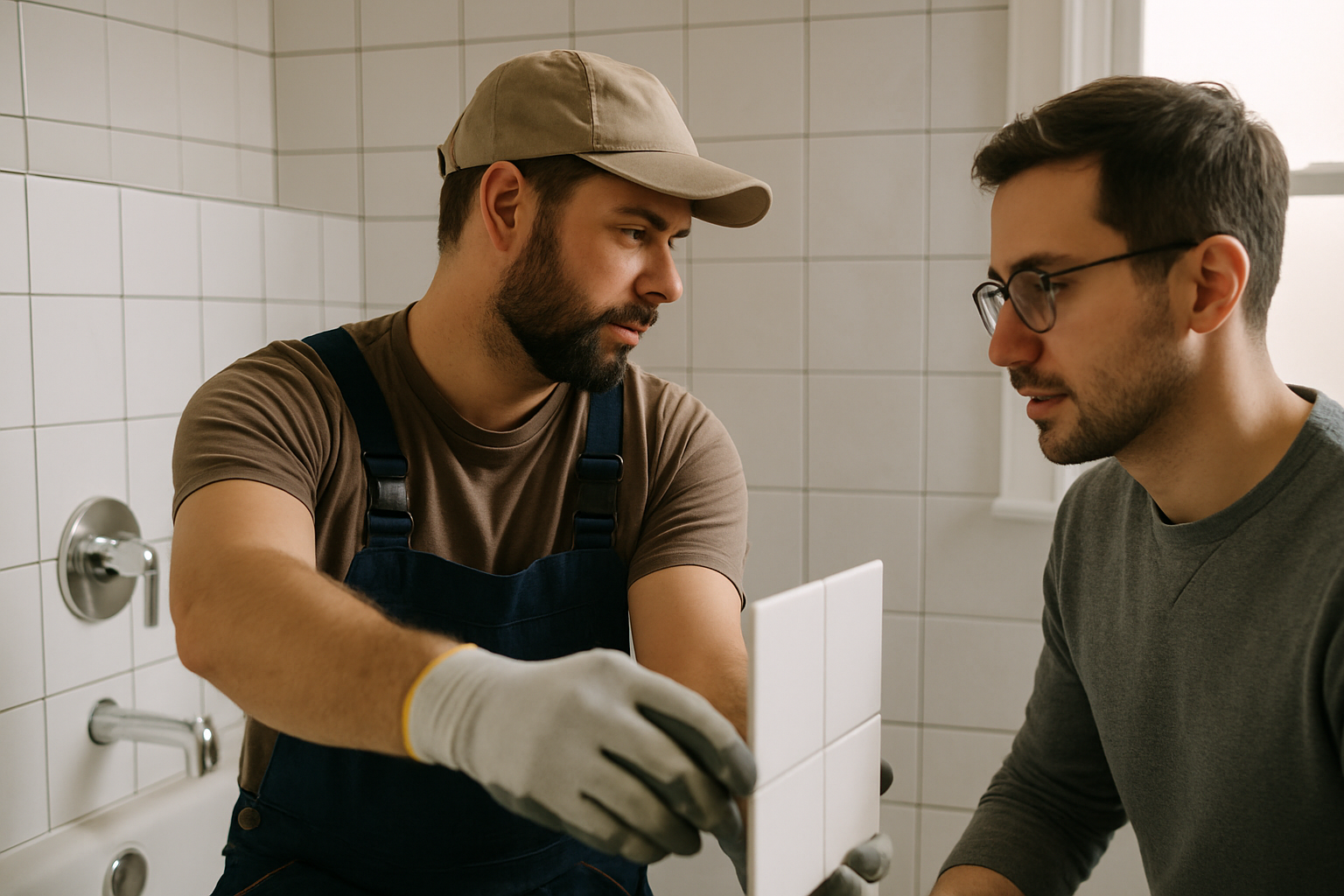
Heated Floor Installation How-To Guide — We Improve For You
Assess Your Bathroom Layout
Select Heating System Type
Prepare the Subfloor
Install Heating Mats or Cables
Connect the Thermostat
Pour Self-Leveling Compound
How It Works
Heated floors are an innovative and luxurious addition to any bathroom, providing warmth and comfort during those cold Hamden, CT winters. At We Improve For You, we understand the benefits of heated floor installation, which not only enhances your comfort but can also improve the overall value of your home. This guide will walk you through the essential steps for installing heated floors, ensuring you have a comprehensive understanding of the process and what it entails. Whether you're considering a DIY approach or planning to hire professionals, we aim to equip you with the knowledge needed to make informed decisions for your bathroom remodel. In this how-to guide, we will cover everything from preparing your bathroom for installation to the final touches that will make your heated floor a functional and beautiful feature. With the proper planning and execution, you can enjoy the cozy comfort of heated floors while adding sophistication to your space. Let's dive into the process and explore how to successfully install heated floors in your Hamden, CT home.
Assess Your Bathroom Layout
Before any installation begins, it's crucial to assess your bathroom layout to determine the best area for heated flooring. Consider factors such as the size of your bathroom, the existing flooring material, and how the heat will circulate. Measure the space accurately to ensure you purchase the right amount of heating mats or cables. This step will set the foundation for a successful installation.
Select Heating System Type
There are two primary types of heated flooring systems: electric and hydronic. Electric systems are easier to install and are generally preferred for smaller areas like bathrooms. Hydronic systems involve more complex installation and are better suited for larger spaces. Decide which system meets your needs and budget, and purchase the necessary materials.
Prepare the Subfloor
Properly preparing the subfloor is vital for a successful heated floor installation. Ensure that the subfloor is clean, dry, and level before laying down heating elements. If you have any cracks or imperfections, they should be repaired prior to installation. This step also involves checking for moisture issues, as excessive moisture can damage your heating system over time.
Install Heating Mats or Cables
Once the subfloor is prepared, you can begin installing the heating mats or cables. Follow the manufacturer's instructions carefully and lay out the heating elements according to your bathroom's layout. Be sure to leave enough space for fixtures and ensure proper spacing between the heating elements for optimal heat distribution. This step requires precision and attention to detail.
Connect the Thermostat
After laying the heating elements, it's time to connect them to the thermostat. This step involves running the electrical wires from the heating system to the thermostat location. Make sure to follow all local electrical codes to ensure safety. The thermostat is essential for controlling the temperature of your heated floor, so it's crucial to install it correctly.
Pour Self-Leveling Compound
To protect the heating elements and provide a smooth surface for your new flooring, a self-leveling compound needs to be poured over the installed heating system. This compound will encase the heating elements and create a flat substrate for tile or other flooring materials. Allow the compound to cure completely before proceeding with the final flooring installation.
Install Flooring Material
Once the self-leveling compound has cured, you can proceed to install your chosen flooring material over the heated system. Whether you choose tile, vinyl, or another material, ensure that it is compatible with heated floors. Follow the manufacturer's instructions for installation and take care to avoid damaging the heating elements during this process.
Test and Enjoy
After the flooring is installed, it's time to test your heated floor system. Turn on the thermostat and check for proper heating across the entire surface. If all is functioning as expected, you can finally enjoy the warmth and comfort of your new heated floors. This last step is rewarding, as you get to experience the benefits of your hard work and investment.
What to Expect & When
We believe in full transparency. Here's a realistic timeline so you can plan accordingly.
Preparation
1 weekThis phase includes assessing the bathroom layout, selecting the heating system, and preparing the subfloor. Proper planning is essential for a successful installation.
Installation
3-5 daysDuring the installation phase, the heating mats or cables will be laid out, the thermostat will be connected, and the self-leveling compound will be poured.
Flooring Installation
1-3 daysThis phase involves installing the final flooring material over the heated system, ensuring it is compatible and correctly placed.
Testing and Final Touches
1 dayThe final phase includes testing the heated floor system and making any necessary adjustments to ensure optimal performance.
How to Prepare
- Check your local building codes to ensure compliance with heated floor installation.
- Budget for both materials and labor if hiring professionals, as quality systems can vary in price.
- Consider the type of flooring you plan to install afterward, as some materials conduct heat better than others.
- Ensure that your electrical system can handle the additional load of a heated floor system.
- Plan for adequate drying time for materials like self-leveling compound before proceeding with flooring installation.
Common Questions
Everything you need to know before we arrive.
How much does heated floor installation cost in Hamden, CT?
How long does the installation process take?
Can I install heated floors myself?
What type of flooring is best for heated floors?
Are heated floors energy-efficient?
Still have questions? We're happy to help.
Call (475) 472-9212Benefits of Heated Flooring
Heated flooring offers a multitude of benefits, particularly in the cold winters of Hamden, CT. Firstly, they provide unmatched comfort, allowing you to step onto warm floors, which is especially beneficial in bathrooms where tile can feel quite cold. Heated floors also promote a more even heat distribution compared to traditional heating methods, eliminating cold spots and creating a cozy environment throughout your space. In addition to comfort, heated flooring can also increase the overall value of your home. Many homebuyers view heated floors as a luxury feature, making your property more appealing in a competitive market. Furthermore, these systems can improve your home's energy efficiency by allowing you to lower your thermostat settings while still maintaining a comfortable atmosphere. With the right setup, heated floors can reduce your heating bills, making them a wise investment. Lastly, heated floors can contribute to improved hygiene in your bathroom. Since they dry quicker than traditional flooring, they help prevent mold and mildew growth, ensuring a cleaner and healthier environment for your family. Overall, heated flooring is an excellent choice for homeowners seeking comfort, efficiency, and value.
Choosing the Right Heating System
When it comes to heated floor installation, choosing the right heating system is crucial for achieving the best results. There are primarily two types of systems: electric and hydronic. Electric systems are often favored for bathroom installations due to their straightforward installation process and ability to heat small areas efficiently. They consist of electric heating mats or cables that are installed beneath the floor surface, providing direct heat where it’s needed most. Hydronic systems, on the other hand, involve a network of water-filled pipes that circulate heated water through the flooring. While they can be more complex and expensive to install, they are highly efficient for larger areas and can be integrated into existing heating systems. When deciding between the two, consider factors such as your budget, the size of the area, and your long-term heating needs. It’s also essential to consider the type of flooring material you plan to use in conjunction with your heated floors. Certain materials, like tile or stone, are excellent conductors of heat and work well with heated flooring systems, whereas carpet may insulate against heat and reduce effectiveness. Consulting with a professional like We Improve For You can help you make the best choice for your specific situation, ensuring a successful heated floor installation that provides comfort and satisfaction for years to come.
Ready to Get Started with We Improve For You?
Our licensed technicians serve Hamden and surrounding communities. Free estimates — no obligation.