
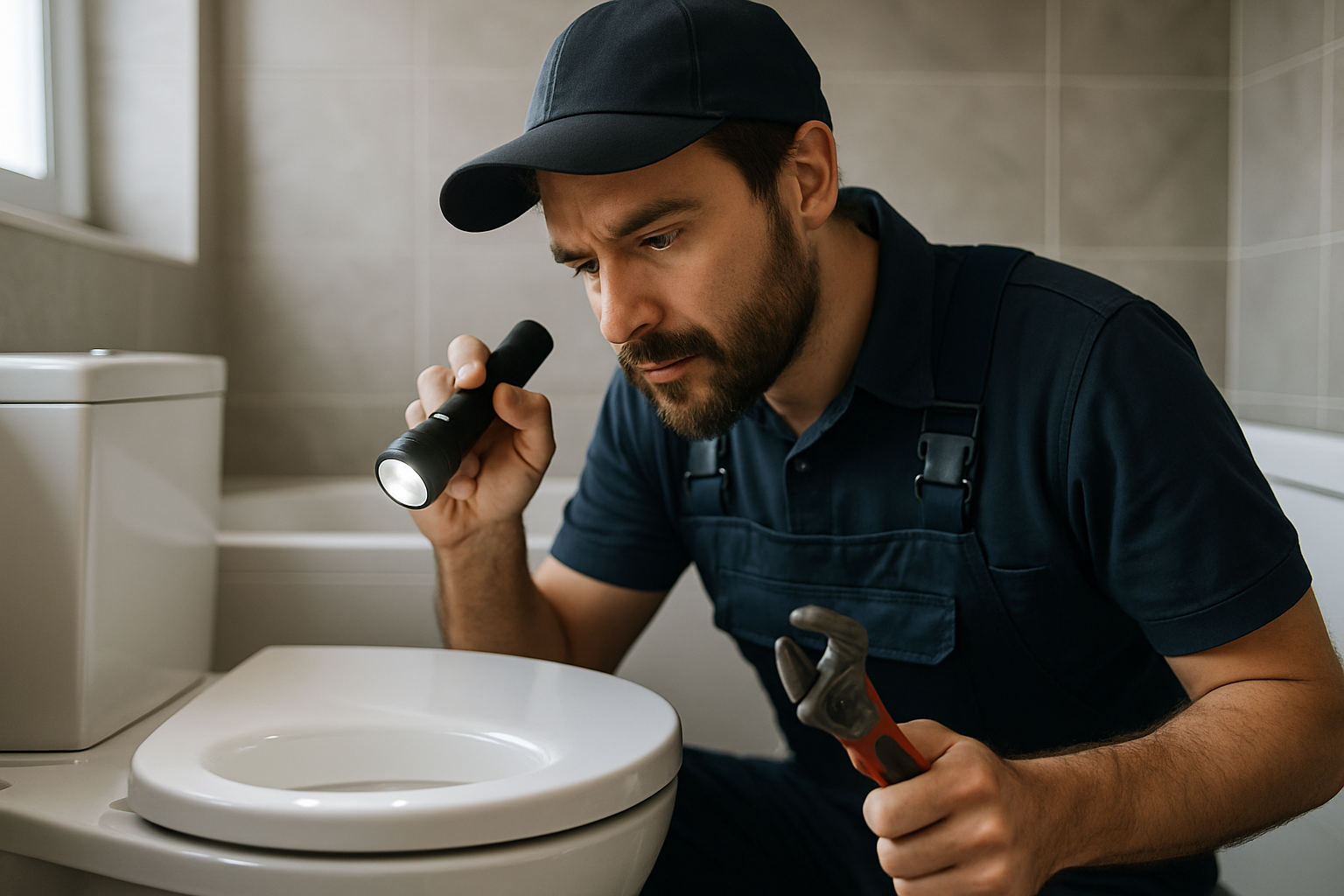
Acrylic Shower Installation — We Improve For You
Troubleshooting Guide

Acrylic Shower Installation Troubleshooting Guide — We Improve For You

At We Improve For You in Hamden, CT, we specialize in acrylic shower installations, a popular choice for homeowners seeking a durable and low-maintenance bathing solution. However, even the best installations can encounter issues over time. Our comprehensive troubleshooting guide is designed to help you identify and resolve common problems associated with your acrylic shower. Whether you're dealing with water leaks, cracking, or discoloration, understanding these issues can save you time, money, and stress. Acrylic showers are favored for their seamless finishes and resistance to mold and mildew. Nevertheless, improper installation or wear and tear can lead to complications that require attention. Our goal is to empower homeowners in Hamden to troubleshoot these issues effectively. By following our detailed steps and recommendations, you can determine whether a DIY approach is feasible or if it’s time to call in our professional team for expert assistance. Let's dive into the most common symptoms of acrylic shower issues and how to tackle them head-on.

By We Improve For You
8 min read
Expert-reviewed
Having an Emergency?
Don't wait — call us now for 24/7 emergency service in Hamden, CT.
(475) 472-9212
Symptoms & Causes

Identify the Problem

Match your symptoms to the most likely cause. Severity ratings help you decide how urgently to act.

Water pooling around the base of the showerhigh
Likely cause: Improper sealing at the base, Damaged caulking, Uneven flooring
DIY check: Check and replace any damaged caulking and ensure the shower is level.
Cracks in the acrylic surfacemedium
Likely cause: Impact damage, Excessive weight on the shower, Poor installation
DIY check: Use an acrylic repair kit to fill small cracks; larger cracks may require professional repair.
Discoloration of the acryliclow
Likely cause: Harsh cleaning products, UV exposure, Aging material
DIY check: Clean with a mild detergent and soft cloth; avoid abrasive cleaners.
Foul odor emanating from the showerhigh
Likely cause: Mold growth beneath the shower, Trapped moisture, Blocked drainage
DIY check: Inspect the drainage and clean out any blockages; ensure proper ventilation.
Loose shower wallsmedium
Likely cause: Improper adhesion during installation, Water damage over time, Structural shifts
DIY check: Check for loose panels and reapply adhesive or caulking as needed.
Leaking showerhead or faucethigh
Likely cause: Worn-out seals or gaskets, Faulty installation, Corroded plumbing fittings
DIY check: Replace worn seals and tighten any loose fittings.
What to Do Next

Step-by-Step Action Plan

Follow these steps before calling a technician — you may be able to resolve the issue yourself.

1

Identify the Issue

Start by observing the symptoms and determining when they occur. Take notes on any unusual occurrences, such as water pooling or discoloration.

2

Inspect Seals and Caulking

Examine the seals and caulking around your acrylic shower. Look for cracks, gaps, or signs of wear that could lead to leaks.

3

Check for Damage

Inspect the acrylic surface for any cracks or dents. This can help identify if a repair or replacement is necessary.

4

Evaluate Drainage

Ensure that the shower drains properly and there are no blockages. Clear any debris that could prevent water from flowing away.

5

Test Water Pressure

Check if the water pressure is consistent. Fluctuations might indicate plumbing issues that need to be addressed.

Pro Tip
Always turn off power to the unit at the breaker before inspecting any components. Safety first — even for simple checks.
When to Call a Professional

Don't DIY These Situations

Some repairs require a licensed technician for safety, code compliance, and warranty protection.

Professional Assessment Required

Cracks larger than a few inches that cannot be repaired with a kit.

Professional Assessment Required

Persistent leaks that suggest plumbing issues behind the wall.

Professional Assessment Required

Signs of mold growth that are not easily removable.

Professional Assessment Required

Structural damage to the shower base or surrounding area.

Professional Assessment Required

Installation errors that require redoing the entire acrylic shower.

Common Questions
What should I do if my acrylic shower has a crack?
If you notice a crack in your acrylic shower, it's essential to address it immediately to prevent water from seeping through, which could cause damage. Small cracks can often be repaired using an acrylic repair kit available at most hardware stores. For larger cracks, or if you’re unsure how to proceed, it's best to contact a professional to ensure a proper repair without risking further damage.
How often should I clean my acrylic shower?
To maintain the appearance and functionality of your acrylic shower, it’s advisable to clean it at least once a week. Use a mild detergent and a non-abrasive sponge to avoid scratching the surface. Regular cleaning helps prevent mold and mildew buildup, ensuring your shower remains hygienic and visually appealing.
Can I use bleach to clean my acrylic shower?
While bleach is effective for disinfecting, it can damage the finish of your acrylic shower over time. Instead, opt for a gentle cleaner specifically designed for acrylic surfaces. This will help preserve the integrity of the material while keeping it clean.
What causes discoloration in acrylic showers?
Discoloration in acrylic showers is often due to exposure to harsh cleaning products, sunlight, or simply aging. To minimize discoloration, avoid abrasive cleaners and ensure proper ventilation to reduce humidity levels. If discoloration occurs, using a specialized acrylic cleaner can sometimes restore the original appearance.
Related Services

We Can Fix It For You

Our licensed team serves Hamden, CT and surrounding areas — same-day service available.

Problem Solved — Or Need a Pro?

Our licensed team serves Hamden, CT and surrounding areas. Get a free diagnosis — no obligation.