
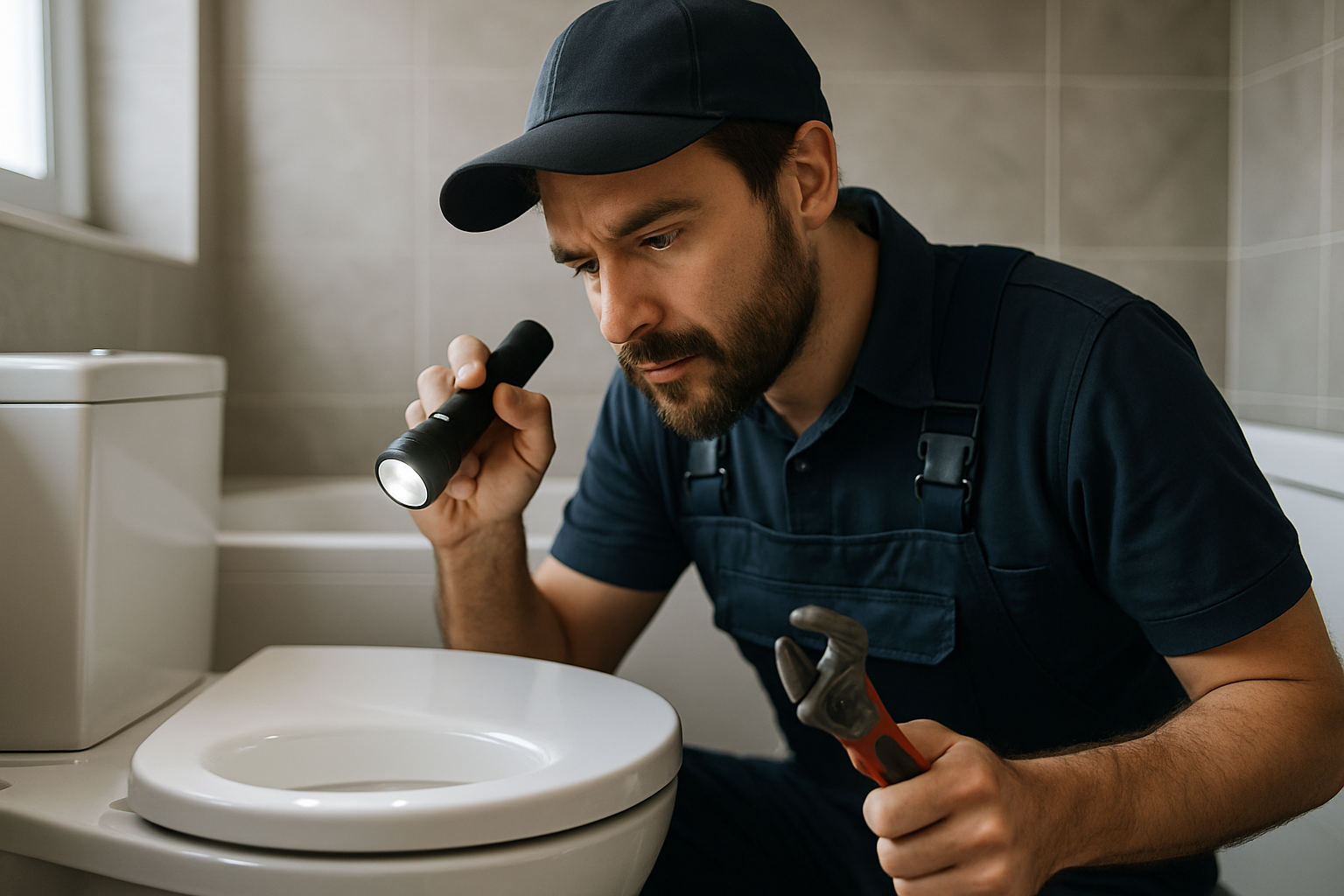
Bathroom Flooring Troubleshooting Guide — We Improve For You
Bathroom flooring is a crucial component of any well-designed bathroom, and ensuring its integrity is essential for both functionality and aesthetics. In Hamden, CT, homeowners often face various issues with bathroom flooring, from moisture damage to wear and tear. Understanding how to troubleshoot these problems can save you time, money, and stress. This comprehensive guide will help you identify common symptoms and their causes, providing you with actionable steps to address flooring issues effectively. Whether you have tile, vinyl, or laminate flooring, each material has its unique set of challenges. If you notice any signs of damage, it's important to address them promptly to prevent further complications. Our guide is designed specifically for homeowners in Hamden, CT, to empower you with the knowledge needed to maintain your bathroom flooring and ensure it remains a safe and beautiful space in your home.
Identify the Problem
Match your symptoms to the most likely cause. Severity ratings help you decide how urgently to act.
Step-by-Step Action Plan
Follow these steps before calling a technician — you may be able to resolve the issue yourself.
Identify the Problem
Walk through your bathroom and note any visible damage or issues with your flooring. Pay attention to areas where moisture might accumulate.
Check for Moisture
Use a moisture meter to assess if there is excess moisture present under the flooring. This can indicate leaks or poor ventilation.
Inspect Installation Quality
Examine the edges of your flooring to see if they are properly sealed and adhered. Poor installation can lead to many common issues.
Clean and Maintain
Regularly clean your bathroom flooring with appropriate products to prevent stains and buildup, which can exacerbate problems.
Consider DIY Repairs
For minor issues, attempt simple fixes like re-sealing or replacing a few tiles. Ensure you follow manufacturer instructions for best results.
Call a Professional
If problems persist or are severe, it’s time to consult We Improve For You. Our experts in Hamden, CT, can assess and repair your flooring.
Don't DIY These Situations
Some repairs require a licensed technician for safety, code compliance, and warranty protection.
Structural damage identified under the flooring requiring extensive repairs.
Persistent moisture problems indicating potential plumbing leaks.
Need for specialized tools or materials not available for DIY fixes.
Complex installation issues that may require redoing the entire floor.
Mold or mildew that cannot be fully removed through cleaning.
What should I do if my vinyl flooring is curling?
How can I prevent mold from growing on my bathroom floor?
Is it safe to replace cracked tiles myself?
What are the signs of water damage in bathroom flooring?
We Can Fix It For You
Our licensed team serves Hamden, CT and surrounding areas — same-day service available.
Problem Solved — Or Need a Pro?
Our licensed team serves Hamden, CT and surrounding areas. Get a free diagnosis — no obligation.