
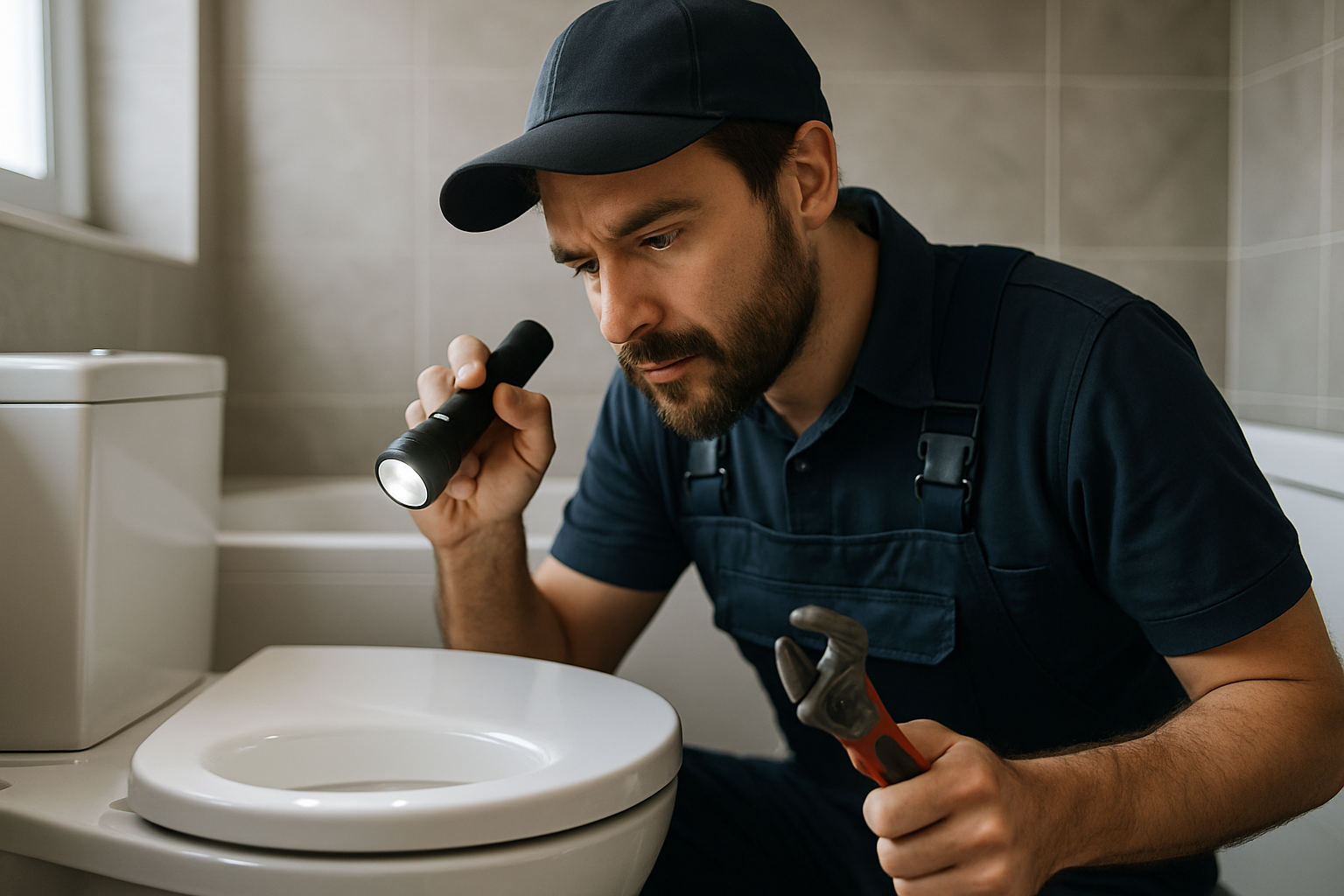
Bathroom Insulation Installation — We Improve For You
Troubleshooting Guide

Bathroom Insulation Installation Troubleshooting Guide — We Improve For You

Proper insulation in your bathroom is crucial for maintaining a comfortable and energy-efficient home, especially in Hamden, CT, where temperature fluctuations can affect your living space. Insulation not only helps regulate temperature but also prevents moisture buildup, which can lead to mold and structural damage. At We Improve For You, we specialize in bathroom insulation installation, ensuring your space is protected against the elements while enhancing energy efficiency and comfort. However, even with the best installation practices, issues can arise over time that may compromise your bathroom's insulation. This troubleshooting guide aims to help homeowners identify common problems related to bathroom insulation and offers actionable steps to resolve them. Whether you are experiencing drafts, moisture issues, or temperature inconsistencies, understanding the symptoms and their causes can help you take the necessary steps towards a solution. Let’s delve into the common problems, diagnostic steps, and when it’s essential to call in the professionals to ensure your bathroom remains a safe and cozy haven.

By We Improve For You
8 min read
Expert-reviewed
Having an Emergency?
Don't wait — call us now for 24/7 emergency service in Hamden, CT.
(475) 472-9212
Symptoms & Causes

Identify the Problem

Match your symptoms to the most likely cause. Severity ratings help you decide how urgently to act.

Drafts or cold spots in the bathroomhigh
Likely cause: Insufficient insulation in walls or ceilings, Poor sealing around windows and doors, Deterioration of existing insulation
DIY check: Check for gaps or cracks and seal them with caulk or weather stripping.
Mold or mildew growth on wallshigh
Likely cause: Excess moisture from inadequate insulation, Poor ventilation in the bathroom, Water leaks from plumbing or fixtures
DIY check: Identify and fix leaks, then use a dehumidifier to reduce moisture levels.
Unexpectedly high energy billsmedium
Likely cause: Poor insulation causing heat loss, Inefficient heating systems, Air leaks around openings
DIY check: Conduct a home energy audit to identify problem areas and reinforce insulation where needed.
Condensation on bathroom surfacesmedium
Likely cause: Insufficient insulation leading to temperature differences, High humidity levels, Improper ventilation
DIY check: Install an exhaust fan or open windows to improve airflow and reduce humidity.
Noise from outside or adjacent roomslow
Likely cause: Inadequate soundproofing insulation, Thin drywall or wall materials, Improperly installed insulation
DIY check: Add soundproofing materials or insulation to walls to reduce noise transmission.
Inconsistent temperatures in the bathroommedium
Likely cause: Insulation settling over time, Inadequate insulation in walls or ceiling, Air leaks around fixtures
DIY check: Inspect insulation for settling and add more where needed to ensure an even temperature.
What to Do Next

Step-by-Step Action Plan

Follow these steps before calling a technician — you may be able to resolve the issue yourself.

1

Inspect for Gaps

Begin by visually inspecting the bathroom for any gaps, especially around windows, doors, and vents. Use your hands to feel for drafts.

2

Check for Moisture Issues

Look for signs of moisture or mold. Examine walls and ceilings for discoloration or peeling paint, which may indicate water damage.

3

Test Temperature Consistency

Use a thermometer to check the temperature in different areas of the bathroom. Compare these readings to identify cold spots or drafts.

4

Assess Insulation Material

If accessible, check the condition of the insulation behind walls or in the ceiling. Ensure it is intact and properly installed.

5

Evaluate Ventilation

Ensure that your bathroom has adequate ventilation. Check if exhaust fans are functioning properly and consider installing one if necessary.

Pro Tip
Always turn off power to the unit at the breaker before inspecting any components. Safety first — even for simple checks.
When to Call a Professional

Don't DIY These Situations

Some repairs require a licensed technician for safety, code compliance, and warranty protection.

Professional Assessment Required

If there is extensive mold growth that requires professional remediation.

Professional Assessment Required

When insulation needs to be removed and replaced due to water damage.

Professional Assessment Required

If the insulation installation requires specialized knowledge of building codes and regulations.

Professional Assessment Required

When diagnosing complex issues related to plumbing leaks that may be affecting insulation.

Professional Assessment Required

If the insulation requires installation in hard-to-reach areas that may pose safety risks.

Common Questions
What type of insulation is best for bathrooms?
The best type of insulation for bathrooms typically includes fiberglass batts, spray foam, or rigid foam boards. Fiberglass batts are cost-effective and provide decent insulation, while spray foam offers superior air sealing and moisture resistance. Rigid foam boards can be used in specific areas where extra insulation is needed. It’s essential to choose materials that can withstand high humidity levels to prevent mold growth.
How can I tell if my bathroom insulation is inadequate?
Signs of inadequate insulation include drafts, cold spots, high energy bills, and visible moisture or mold on walls. If you notice these symptoms, it’s crucial to investigate further as they may indicate that your insulation is not performing effectively. Conducting a thermal scan or hiring a professional to assess your insulation can provide clarity.
Can I insulate my bathroom myself?
While some homeowners may opt for DIY insulation, bathroom insulation installation can be complex and requires attention to detail. Proper installation is crucial to avoid air leaks and moisture problems. If you are not confident in your ability to insulate correctly, it’s advisable to hire a professional to ensure that the job is done right.
How often should I check my bathroom insulation?
It’s a good practice to check your bathroom insulation at least once a year, particularly before the winter season. Look for any signs of moisture, mold, or damage. If you notice any irregularities, it may be time to consult a professional for an inspection and potential reinforcement of your insulation.
Related Services

We Can Fix It For You

Our licensed team serves Hamden, CT and surrounding areas — same-day service available.

Problem Solved — Or Need a Pro?

Our licensed team serves Hamden, CT and surrounding areas. Get a free diagnosis — no obligation.