
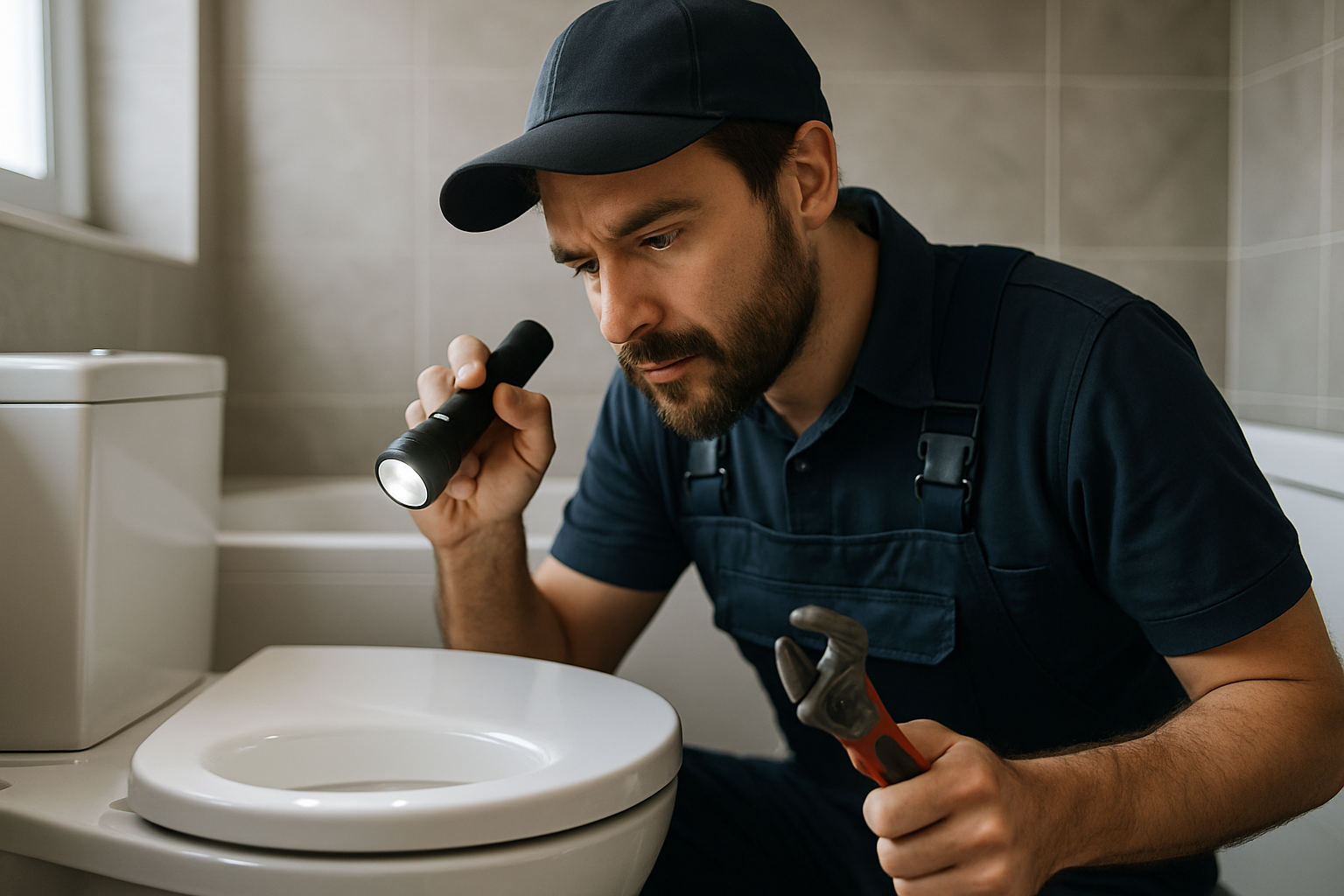
Bathroom Leak Detection — We Improve For You
Troubleshooting Guide

Bathroom Leak Detection Troubleshooting Guide — We Improve For You

Bathroom leak detection is crucial for maintaining the integrity of your home in Hamden, CT. A small leak can lead to significant damage if not addressed promptly, causing mold growth, structural issues, and increased water bills. At We Improve For You, we understand the importance of identifying leaks early and effectively. Our comprehensive troubleshooting guide is designed to help homeowners recognize the signs of leaks and take appropriate action. This guide will empower you with the knowledge to diagnose common issues related to bathroom leaks, from hidden plumbing problems to visual signs of moisture damage. In Hamden, where homes often feature intricate plumbing systems, being proactive about leak detection can save you time and money. Knowing how to troubleshoot leaks can prevent further complications and ensure your bathroom remains a safe and functional space. This guide provides a detailed overview of symptoms, DIY fixes, and when to call a professional—ensuring you have the resources you need to protect your home. Let’s dive into the common symptoms of bathroom leaks and how to effectively address them to maintain the beauty and functionality of your bathroom.

By We Improve For You
8 min read
Expert-reviewed
Having an Emergency?
Don't wait — call us now for 24/7 emergency service in Hamden, CT.
(475) 472-9212
Symptoms & Causes

Identify the Problem

Match your symptoms to the most likely cause. Severity ratings help you decide how urgently to act.

Water stains on the ceiling below the bathroomhigh
Likely cause: Leaky pipes, Faulty shower or tub seals, Overflowing sink
DIY check: Check for visible leaks around fixtures and tighten connections.
Mold or mildew growth around bathroom edgesmedium
Likely cause: Excess moisture, Poor ventilation, Leaking grout
DIY check: Improve ventilation and clean affected areas with mold cleaner.
Increased water bill without added usagehigh
Likely cause: Hidden leaks in walls, Malfunctioning toilet flapper, Leaking faucets
DIY check: Monitor your water meter for changes when no water is in use.
Dampness or water pooling around the base of the toilethigh
Likely cause: Worn wax seal, Loose toilet bolts, Cracked toilet bowl
DIY check: Check and tighten the toilet bolts or replace the wax seal.
Cracked tiles or warped flooringmedium
Likely cause: Water seepage from leaks, Inadequate sealing, Foundation issues
DIY check: Inspect the tiles for cracks and reseal as necessary.
Constantly running toiletmedium
Likely cause: Faulty fill valve, Flapper issues, Clogged vent tube
DIY check: Adjust or replace the flapper and ensure the fill valve is functioning.
Unpleasant odors in the bathroommedium
Likely cause: Mold growth, Standing water, Clogged drains
DIY check: Clean drains and remove any standing water to eliminate odors.
Visible cracks in bathroom walls or ceilinghigh
Likely cause: Settling foundation, Water damage from leaks, Poor construction
DIY check: Assess for leaks; if none found, consider consulting a professional for structural assessment.
What to Do Next

Step-by-Step Action Plan

Follow these steps before calling a technician — you may be able to resolve the issue yourself.

1

Identify Visible Leaks

Start by inspecting all visible plumbing fixtures for signs of leakage. Check under sinks, around toilets, and behind bathtubs.

2

Check Water Meter

Turn off all water appliances and check your water meter. If it continues to move, there may be a hidden leak.

3

Inspect Grouts and Seals

Examine all grout lines and seals around tubs and showers for cracks or deterioration that could lead to leaks.

4

Look for Water Damage

Check walls, ceilings, and floors for discoloration or softness that might indicate water damage.

5

Monitor Water Usage

Keep track of your water usage over a month to identify any sudden increases that may signal a leak.

6

Perform a Dye Test

Add dye to the toilet tank and wait to see if the color appears in the bowl, indicating a leak.

Pro Tip
Always turn off power to the unit at the breaker before inspecting any components. Safety first — even for simple checks.
When to Call a Professional

Don't DIY These Situations

Some repairs require a licensed technician for safety, code compliance, and warranty protection.

Professional Assessment Required

If you have water damage that has spread beyond the bathroom, causing issues in other areas of the home.

Professional Assessment Required

When leaks are found behind walls or inaccessible plumbing that requires specialized equipment.

Professional Assessment Required

If multiple symptoms are present and you cannot identify the source of the leak.

Professional Assessment Required

In cases where mold growth is extensive and poses a health risk, requiring remediation.

Professional Assessment Required

If your attempts to fix the issue have not resolved the leak after multiple DIY efforts.

Common Questions
What are the early signs of a bathroom leak?
Early signs of a bathroom leak can include water stains on ceilings or walls, a musty odor, and an unexplained increase in your water bill. If you notice any of these symptoms, it's crucial to investigate further, as early detection can prevent more extensive damage down the line.
How can I perform a DIY leak test?
You can perform a simple DIY leak test by turning off all water sources in your home and monitoring your water meter. If the meter continues to move, you likely have a leak somewhere in your plumbing system. Additionally, you can use food coloring in your toilet tank to determine if the flapper is leaking into the bowl.
When should I consider calling a professional for a leak?
You should consider calling a professional if you notice multiple symptoms of a leak, if water damage is present, or if you have tried DIY fixes without success. Especially in cases of extensive mold growth or inaccessible plumbing, a licensed contractor can provide the expertise needed to resolve the issue safely.
How often should I check for bathroom leaks?
It’s a good practice to inspect your bathroom for leaks at least twice a year. Regular checks can help catch issues early before they lead to significant damage, especially in homes in Hamden, where plumbing systems may be older.
Related Services

We Can Fix It For You

Our licensed team serves Hamden, CT and surrounding areas — same-day service available.

Problem Solved — Or Need a Pro?

Our licensed team serves Hamden, CT and surrounding areas. Get a free diagnosis — no obligation.