
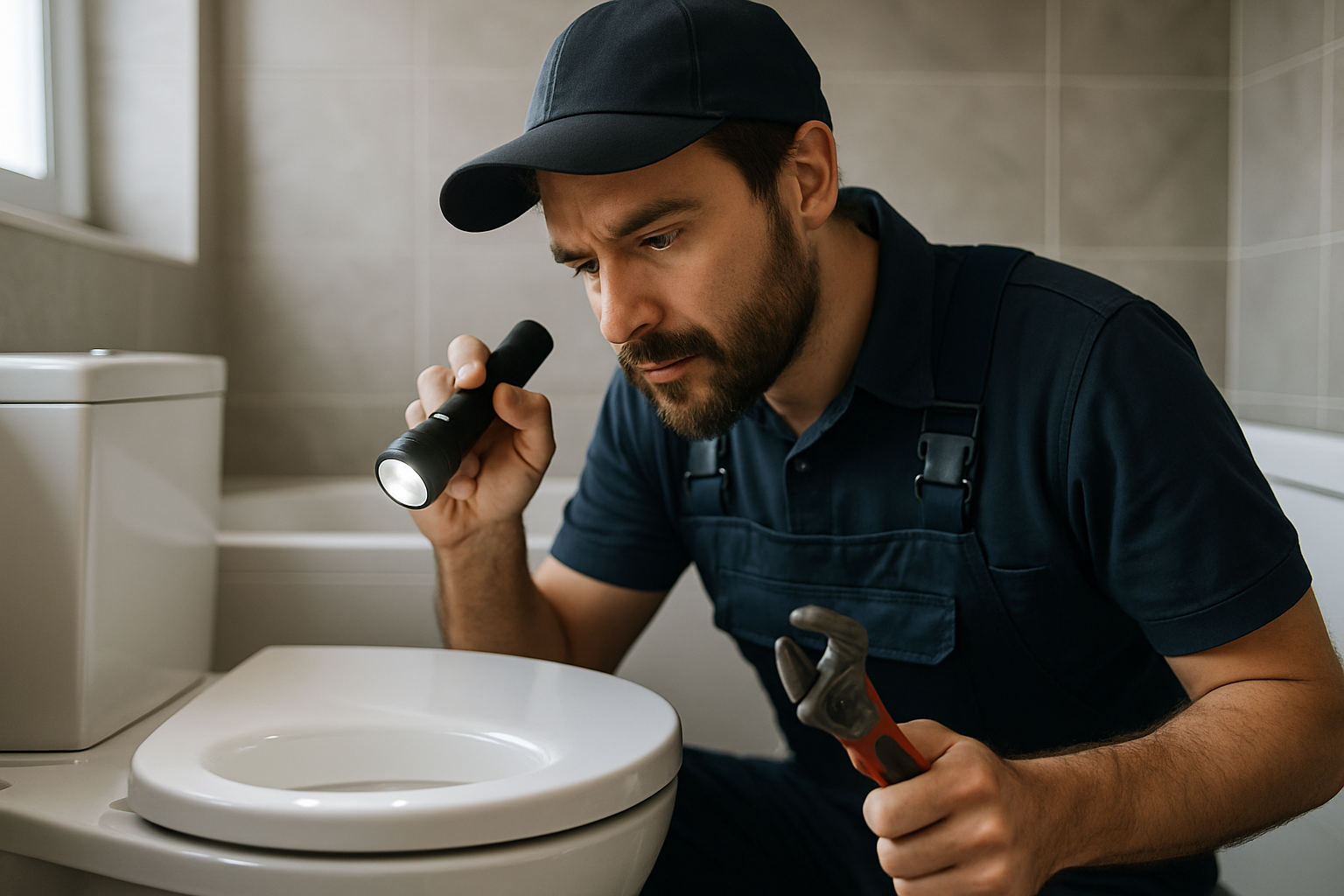
Bathroom Remodeling Troubleshooting Guide — We Improve For You
Remodeling your bathroom can be an exciting yet daunting task. Whether you're updating an outdated design or creating a spa-like oasis, issues can arise during the process that may leave you feeling overwhelmed. At We Improve For You in Hamden, CT, we understand the intricacies of bathroom remodeling and the common problems homeowners face. From unexpected leaks to poor layout designs, knowing how to troubleshoot these issues can save you time and money. In this troubleshooting guide, we will explore common symptoms you may encounter during your bathroom remodel, possible causes for these issues, and practical steps you can take to address them. Whether you're planning a minor update or a complete overhaul, being informed about potential challenges can help ensure your renovation goes smoothly. Our goal is to empower you with the knowledge needed to tackle these problems head-on or know when it’s best to call in the professionals. Let’s dive into the most common troubleshooting scenarios you might face in your bathroom remodeling project.
Identify the Problem
Match your symptoms to the most likely cause. Severity ratings help you decide how urgently to act.
Step-by-Step Action Plan
Follow these steps before calling a technician — you may be able to resolve the issue yourself.
Inspect for leaks
Check all plumbing connections and fixtures for visible leaks. Tighten any loose fittings and replace worn-out washers.
Evaluate flooring installation
Ensure that tiles are properly laid and that the subfloor is level. If necessary, consult a professional to address underlying issues.
Clean showerheads and faucets
Remove any mineral buildup on showerheads and faucets to improve water pressure. Soaking in vinegar can be an effective cleaning method.
Improve ventilation
Install or upgrade exhaust fans to ensure proper airflow and reduce humidity, which can help prevent mold growth.
Realign cabinet doors
Adjust the hinges or use shims to correct misalignment and ensure that cabinet doors close properly.
Don't DIY These Situations
Some repairs require a licensed technician for safety, code compliance, and warranty protection.
Complex plumbing issues may require expertise that exceeds DIY skills.
Proper installation of heavy materials like tiles and cabinets can prevent costly mistakes.
Professionals have access to tools and materials that ensure a high-quality finish.
If you're facing persistent issues, a professional can provide a comprehensive assessment.
Local contractors like We Improve For You understand the unique building codes in Hamden, CT.
What should I do if I notice water pooling around my toilet?
How can I tell if my bathroom tiles are installed correctly?
What can I do if my bathroom gets too humid?
How often should I check for plumbing issues after a remodel?
We Can Fix It For You
Our licensed team serves Hamden, CT and surrounding areas — same-day service available.
Problem Solved — Or Need a Pro?
Our licensed team serves Hamden, CT and surrounding areas. Get a free diagnosis — no obligation.