
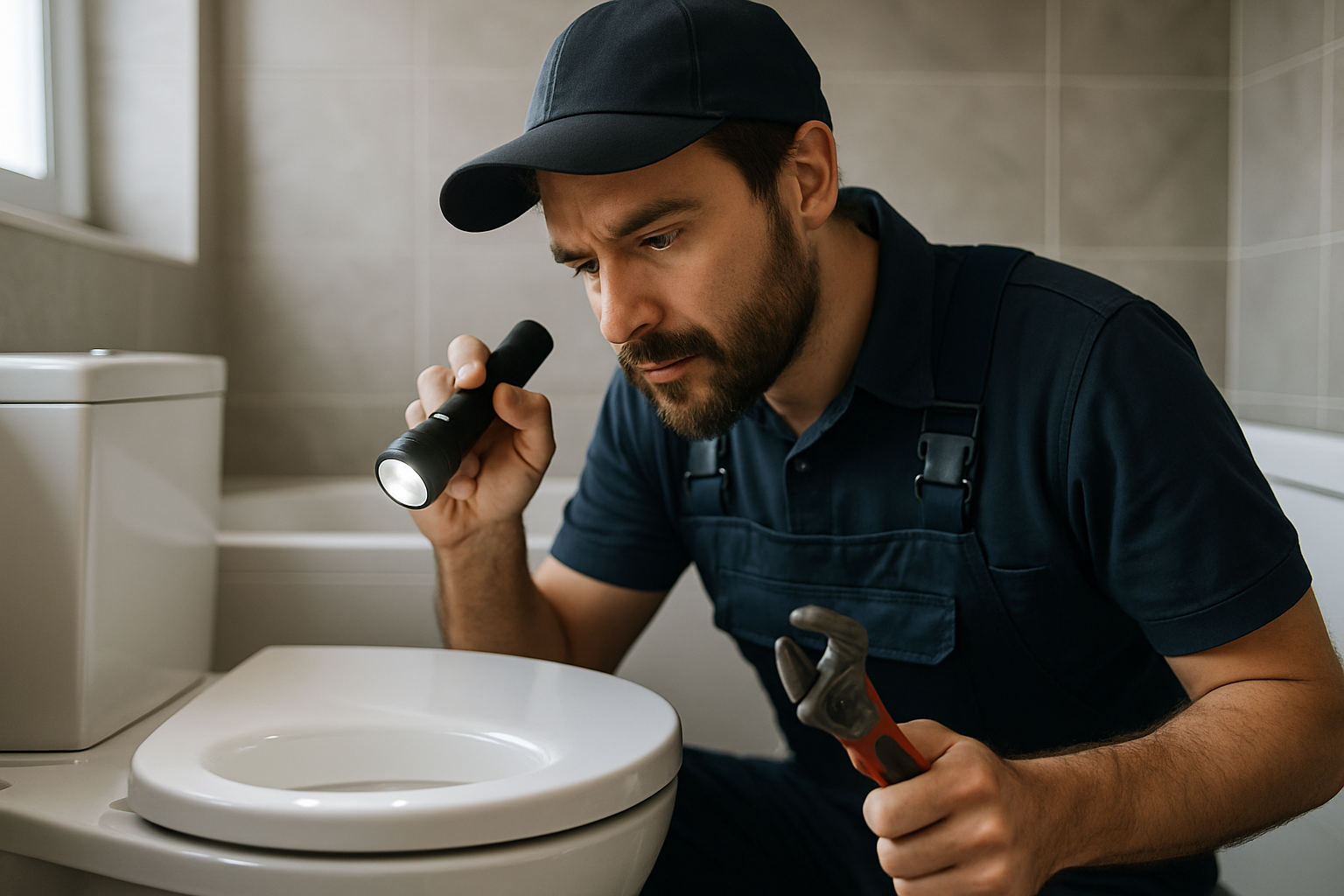
Bathroom Renovation Services — We Improve For You
Troubleshooting Guide

Bathroom Renovation Services Troubleshooting Guide — We Improve For You

At We Improve For You in Hamden, CT, we understand that a bathroom renovation can be both exciting and overwhelming. Whether you're updating fixtures, retiling, or completely redesigning your space, issues can arise during the process. This troubleshooting guide is here to help you identify common problems, understand their causes, and find practical solutions. With the right knowledge, you can ensure your bathroom renovation goes smoothly and meets your expectations. Bathroom renovations are a significant investment in your home, and when things don’t go as planned, it can lead to frustration. This guide aims to empower homeowners by providing insights into common renovation issues, their potential causes, and simple fixes that can be tackled independently. From plumbing mishaps to design flaws, our troubleshooting tips will help you navigate the complexities of bathroom renovation services in Hamden, CT, ensuring that your new space is functional, beautiful, and just what you envisioned.

By We Improve For You
8 min read
Expert-reviewed
Having an Emergency?
Don't wait — call us now for 24/7 emergency service in Hamden, CT.
(475) 472-9212
Symptoms & Causes

Identify the Problem

Match your symptoms to the most likely cause. Severity ratings help you decide how urgently to act.

Leaking faucets or fixtureshigh
Likely cause: Worn out washers, Loose connections, Corroded pipes
DIY check: Tighten the connections or replace the washers to stop the leak.
Poor water pressuremedium
Likely cause: Clogged aerators, Pipe corrosion, Improper installation
DIY check: Remove and clean the aerator or showerhead to improve flow.
Mold or mildew growthhigh
Likely cause: Insufficient ventilation, Water leaks, High humidity levels
DIY check: Increase ventilation and use a mold remover to clean affected areas.
Cracked tilesmedium
Likely cause: Improper installation, Water damage, Temperature fluctuations
DIY check: Replace cracked tiles with new ones, ensuring proper adhesive use.
Unpleasant odorshigh
Likely cause: Clogged drains, Sewage issues, Improper ventilation
DIY check: Clear drains using a plunger or drain cleaner; check for signs of a sewage leak.
Inconsistent heating in the bathroommedium
Likely cause: Faulty heating system, Poor insulation, Drafty windows
DIY check: Check and seal any drafts; ensure the heating system is functioning properly.
Unlevel countertopshigh
Likely cause: Improper installation, Foundation issues, Water damage
DIY check: Check for levelness with a level tool; adjust supports if necessary.
Faded or peeling paintlow
Likely cause: Moisture exposure, Low-quality paint, Insufficient prep work
DIY check: Sand the area and repaint with moisture-resistant paint.
What to Do Next

Step-by-Step Action Plan

Follow these steps before calling a technician — you may be able to resolve the issue yourself.

1

Identify the Issue

Start by pinpointing the exact problem you’re experiencing in your bathroom. Is it a leak, poor ventilation, or something else? Document the symptoms you observe.

2

Check for Common Causes

Once you've identified the issue, research common causes associated with it. For example, if you have a leak, consider potential sources like worn washers or loose connections.

3

Attempt Basic DIY Fixes

Based on the symptoms and potential causes, try simple fixes that you can manage. For instance, tightening loose fittings or cleaning clogged aerators can sometimes resolve issues.

4

Assess the Severity

Evaluate whether the problem is escalating or if your DIY attempts have been successful. High-severity issues like leaks should prompt immediate action.

5

Seek Professional Help

If the issue persists or is severe, contact We Improve For You at (475) 472-9212 for professional assessment and repair. It's better to address complex issues before they worsen.

Pro Tip
Always turn off power to the unit at the breaker before inspecting any components. Safety first — even for simple checks.
When to Call a Professional

Don't DIY These Situations

Some repairs require a licensed technician for safety, code compliance, and warranty protection.

Professional Assessment Required

Persistent leaks that continue after DIY attempts, indicating possible plumbing issues.

Professional Assessment Required

Structural damage detected, such as mold or water damage behind walls.

Professional Assessment Required

Complications with electrical systems, including faulty wiring in light fixtures or outlets.

Professional Assessment Required

Cracked or damaged plumbing that requires specialized tools and expertise to fix.

Professional Assessment Required

Design flaws that affect functionality and safety, needing professional redesign.

Common Questions
What should I do if my new bathroom fixtures are leaking?
If your new bathroom fixtures are leaking, first try to identify the source of the leak. It could be a loose connection or a worn washer. Tighten any loose fittings and check if that resolves the issue. If the leak continues, it may be necessary to replace the washer or consult a professional plumber to address potential underlying issues.
How can I prevent mold growth in my newly renovated bathroom?
To prevent mold growth, ensure that your bathroom has proper ventilation. Use exhaust fans during and after showers to reduce humidity levels. Additionally, regularly inspect for leaks and fix them promptly. Choosing mold-resistant paints and materials during your renovation can also help mitigate mold risks.
What causes poor water pressure after a bathroom renovation?
Poor water pressure can be caused by several factors, including clogged aerators or showerheads, corroded pipes, or improper installation of fixtures. Start by cleaning the aerator or showerhead and check if the issue improves. If not, consider consulting a professional to inspect your plumbing system.
Is it normal for tiles to crack during installation?
While some cracking may occur due to the settling of the house, significant cracks in tiles during installation can indicate improper installation techniques or inadequate support. If you notice extensive cracking, it's essential to address the issue immediately, as it can lead to further damage and require reinstallation.
Related Services

We Can Fix It For You

Our licensed team serves Hamden, CT and surrounding areas — same-day service available.

Problem Solved — Or Need a Pro?

Our licensed team serves Hamden, CT and surrounding areas. Get a free diagnosis — no obligation.