
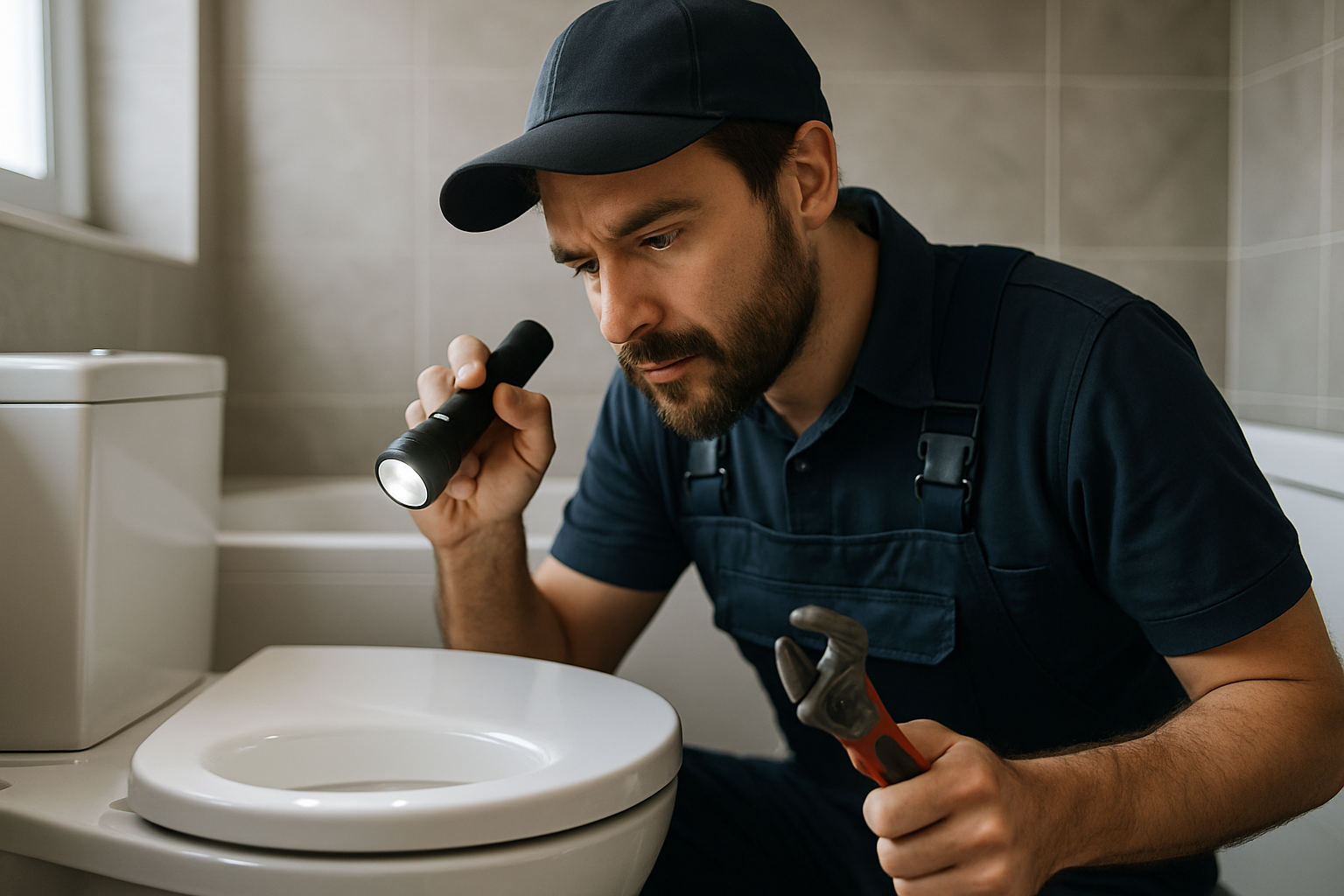
Bathroom Shelving Installation — We Improve For You
Troubleshooting Guide

Bathroom Shelving Installation Troubleshooting Guide — We Improve For You

Installing bathroom shelving can enhance both the functionality and aesthetics of your space. At We Improve For You, located in Hamden, CT, we understand that a well-organized bathroom not only makes your daily routine smoother but also adds value to your home. However, like any home improvement project, bathroom shelving installation can come with its challenges. From uneven shelves to load-bearing issues, troubleshooting these problems is essential to ensure optimal performance and safety. In this guide, we will explore common symptoms of bathroom shelving installation problems, potential causes, and DIY fixes that homeowners can attempt. Whether you're a seasoned DIYer or a first-time installer, knowing how to effectively troubleshoot shelving issues can save you time and frustration. Our goal is to empower you with the knowledge needed to tackle these problems head-on or recognize when it’s time to call in a professional. Let’s dive into the world of bathroom shelving installation troubleshooting and get your project back on track!

By We Improve For You
8 min read
Expert-reviewed
Having an Emergency?
Don't wait — call us now for 24/7 emergency service in Hamden, CT.
(475) 472-9212
Symptoms & Causes

Identify the Problem

Match your symptoms to the most likely cause. Severity ratings help you decide how urgently to act.

Shelves sagging under weighthigh
Likely cause: Improper installation, Inadequate support brackets, Overloading shelves
DIY check: Remove excess items from the shelves and ensure brackets are securely fastened.
Shelves are uneven or misalignedmedium
Likely cause: Incorrect measurements during installation, Wall studs not aligned, Installation on uneven walls
DIY check: Use a level to check alignment and readjust brackets or reposition shelves as needed.
Shelving material warping or bucklingmedium
Likely cause: High humidity levels, Use of low-quality materials, Improper installation
DIY check: Consider replacing warped shelves with moisture-resistant materials and ensure proper ventilation.
Brackets pulling away from the wallhigh
Likely cause: Insufficient wall anchors, Overloading the shelves, Weak wall structure
DIY check: Remove the shelf and check for damaged anchors, then replace them with stronger ones.
Difficulty accessing items on high shelveslow
Likely cause: Improper height installation, Lack of a step stool, Poor arrangement of items
DIY check: Rearrange items for better accessibility and consider repositioning shelves lower if needed.
Noise or creaking sounds when using shelvesmedium
Likely cause: Loose brackets, Weight distribution issues, Material fatigue
DIY check: Inspect brackets for tightness and redistribute items for even weight distribution.
What to Do Next

Step-by-Step Action Plan

Follow these steps before calling a technician — you may be able to resolve the issue yourself.

1

Identify the Problem

Start by assessing the shelving issue. Is it sagging, misaligned, or making noise? Take notes on what you observe.

2

Check Installation Quality

Inspect the brackets and wall anchors to ensure they are properly installed and secure. Look for any visible damage or wear.

3

Assess Weight Load

Evaluate what items are placed on the shelves. Remove heavy items to see if it resolves the issue.

4

Adjust or Realign

If shelves are uneven, use a level to adjust their position and ensure they are aligned properly on the brackets.

5

Consider Environmental Factors

Check for signs of humidity or moisture in the bathroom that may be affecting the materials of your shelves.

6

Plan for Repairs or Replacement

If issues persist, outline a plan for repairs or consider reaching out to We Improve For You for professional assistance.

Pro Tip
Always turn off power to the unit at the breaker before inspecting any components. Safety first — even for simple checks.
When to Call a Professional

Don't DIY These Situations

Some repairs require a licensed technician for safety, code compliance, and warranty protection.

Professional Assessment Required

If the shelving installation involves complex wall structures like tile or drywall, improper handling could cause damage.

Professional Assessment Required

When dealing with moisture-related issues that require specialized materials or techniques.

Professional Assessment Required

If the shelving design requires custom fittings or adjustments that exceed basic DIY skills.

Professional Assessment Required

When you are uncertain about the weight capacity and safety of your current shelving setup.

Professional Assessment Required

If you notice significant structural issues with the wall that could compromise the shelving integrity.

Common Questions
What types of materials are best for bathroom shelving?
The best materials for bathroom shelving include moisture-resistant wood, metal, and high-quality composites. Wood provides a warm look but can warp in humid conditions, whereas metal is durable and ideal for wet environments. Composite materials can offer a stylish appearance while being resistant to moisture. Consider your bathroom's humidity levels and the weight of items when choosing the best material.
How do I know if my shelves are overloaded?
Signs of overloaded shelves include sagging, creaking sounds, or brackets pulling away from the wall. If you notice any of these symptoms, it's essential to remove excess weight immediately and assess the shelf's condition. The general rule of thumb is to distribute weight evenly across the shelves and avoid placing excessively heavy items on them.
Can I fix sagging shelves myself?
Yes, you can often fix sagging shelves by removing excess items and checking the brackets for proper installation. If the sagging persists, you may need to reinforce the brackets or replace the shelving material altogether. Ensure that you are following weight guidelines and using adequate support to prevent future sagging.
What should I do if my shelves are not level?
If your shelves are not level, use a level tool to check their alignment. You may need to adjust the brackets or reposition the shelves to ensure they are even. If the issue stems from an uneven wall, consider using shims to correct the angle and achieve a level surface.
Related Services

We Can Fix It For You

Our licensed team serves Hamden, CT and surrounding areas — same-day service available.

Problem Solved — Or Need a Pro?

Our licensed team serves Hamden, CT and surrounding areas. Get a free diagnosis — no obligation.