
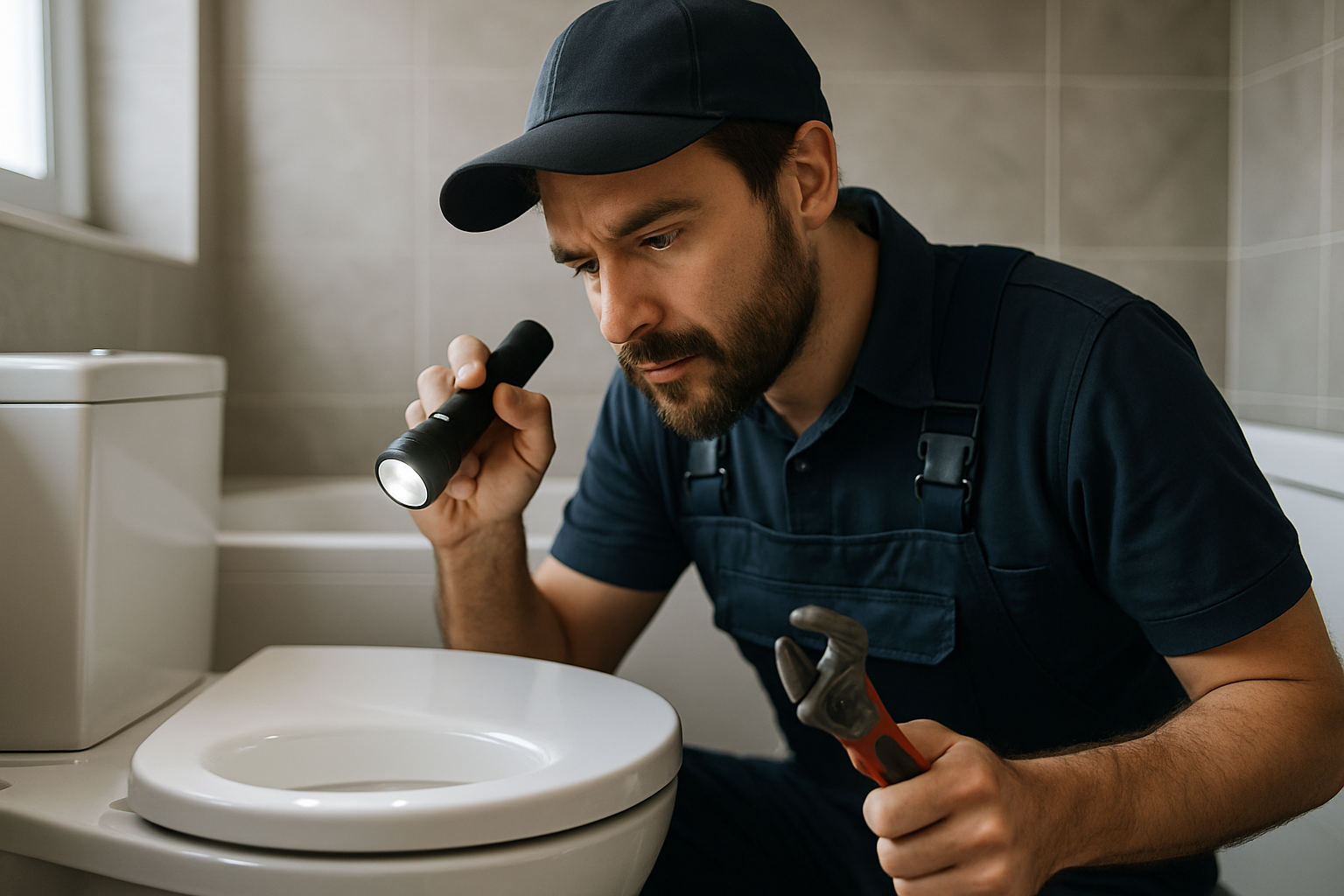
Bathroom Water Heater Installation Troubleshooting Guide — We Improve For You
Installing a bathroom water heater is a crucial step in ensuring a reliable supply of hot water for your daily needs. Whether you're showering, washing your hands, or running a bath, you depend on your water heater to perform flawlessly. At We Improve For You, serving Hamden, CT, we understand that issues can arise during or after installation, and knowing how to troubleshoot these problems can save you time and money. In this guide, we’ll explore common symptoms of installation issues, potential causes, and actionable steps to resolve them. In Hamden, CT, our team has extensive experience in bathroom water heater installations, ensuring that your unit is set up correctly for optimal performance. However, sometimes things don’t go as planned. This comprehensive troubleshooting guide will help you identify and address common problems you may encounter post-installation. By following our expert advice, you can tackle minor issues with confidence, leaving the more complex problems to our skilled professionals at We Improve For You. Your comfort is our priority, and we want you to enjoy a hassle-free hot water experience.
Identify the Problem
Match your symptoms to the most likely cause. Severity ratings help you decide how urgently to act.
Step-by-Step Action Plan
Follow these steps before calling a technician — you may be able to resolve the issue yourself.
Check Power Supply
Ensure that the water heater is receiving power. Check circuit breakers and fuses.
Inspect Thermostat Settings
Verify that the thermostat is set to your desired temperature, typically around 120°F.
Examine for Leaks
Look around the base of the heater for any sign of water leakage and check fittings.
Flush the Tank
Periodically flush the tank to remove sediment and prevent overheating issues.
Listen for Unusual Noises
Pay attention to any popping or rumbling noises indicating sediment accumulation.
Don't DIY These Situations
Some repairs require a licensed technician for safety, code compliance, and warranty protection.
The water heater is leaking significantly, indicating a potential tank failure.
You hear persistent popping noises that suggest serious sediment build-up.
Electrical issues arise, such as tripped breakers that you cannot resolve.
The water temperature fluctuates drastically after you’ve tried all DIY fixes.
You notice rust-colored water, signaling possible tank corrosion.
What should I do if my water heater isn't heating water?
How often should I flush my water heater?
Is it safe to fix a leaking water heater myself?
What causes discolored water from my faucet?
We Can Fix It For You
Our licensed team serves Hamden, CT and surrounding areas — same-day service available.
Problem Solved — Or Need a Pro?
Our licensed team serves Hamden, CT and surrounding areas. Get a free diagnosis — no obligation.