
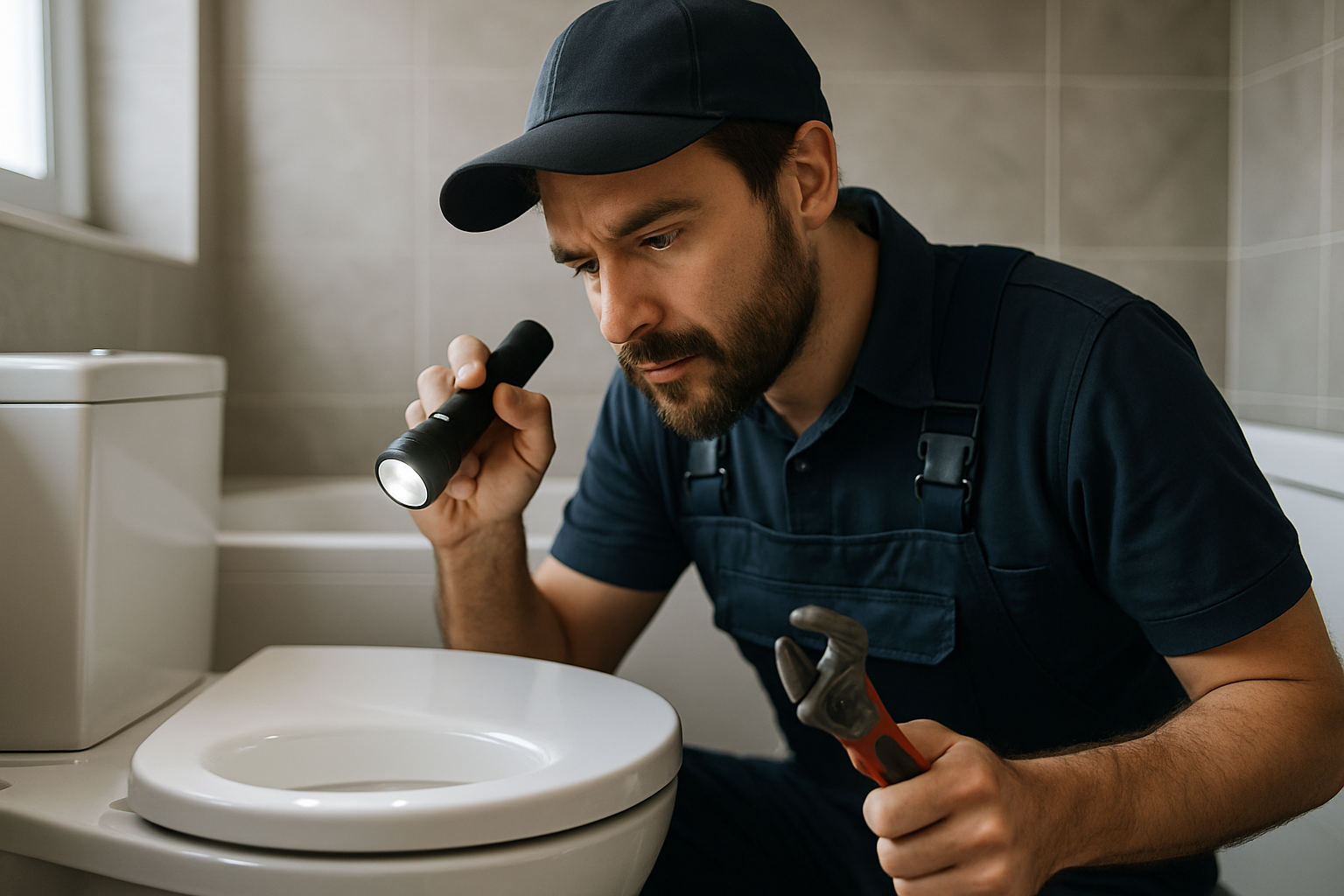
Bathtub Replacement — We Improve For You
Troubleshooting Guide

Bathtub Replacement Troubleshooting Guide — We Improve For You

Replacing a bathtub can be a significant home improvement project that enhances both the functionality and aesthetic of your bathroom. At We Improve For You, we understand that homeowners in Hamden, CT, often encounter various challenges during the bathtub replacement process. Whether you're dealing with leaks, improper fit, or material issues, having the right troubleshooting strategies can save you time and money. Our extensive experience in bathroom remodeling has equipped us with the necessary insights to help you navigate these problems effectively. In this guide, we will explore common symptoms associated with bathtub replacement, offer potential causes for these issues, and suggest DIY fixes where applicable. Understanding these symptoms can empower you to make informed decisions about whether to attempt repairs yourself or to seek professional help. Your bathtub should be a source of relaxation and enjoyment, not frustration. With the right knowledge, you can ensure that your replacement project goes as smoothly as possible and meets all your expectations.

By We Improve For You
8 min read
Expert-reviewed
Having an Emergency?
Don't wait — call us now for 24/7 emergency service in Hamden, CT.
(475) 472-9212
Symptoms & Causes

Identify the Problem

Match your symptoms to the most likely cause. Severity ratings help you decide how urgently to act.

Leaking around the bathtub edgeshigh
Likely cause: Improper sealing, Cracks in the tub, Faulty plumbing connections
DIY check: Check the caulk around the edges and reapply if necessary.
Bathtub not fitting properlymedium
Likely cause: Incorrect measurements, Structural issues, Incompatible drain placement
DIY check: Re-measure the space and compare it with the bathtub dimensions to identify the issue.
Cracks or chips in the new bathtubhigh
Likely cause: Poor installation, Material defects, Excessive weight or pressure
DIY check: Inspect for visible cracks and use a repair kit for minor chips.
Drainage issues after installationmedium
Likely cause: Clogged drains, Improper installation of drain fittings, Incorrect slope of bathtub
DIY check: Check for clogs or use a drain snake to clear any blockage.
Bathtub surface is not levelmedium
Likely cause: Uneven subfloor, Incorrect installation, Worn-out supports
DIY check: Use a level to check and adjust the tub's position if necessary.
Unpleasant odors emanating from the bathtublow
Likely cause: Stagnant water in the drain, Improper sealing, Mold growth
DIY check: Clean the drain and ensure proper sealing around the tub.
What to Do Next

Step-by-Step Action Plan

Follow these steps before calling a technician — you may be able to resolve the issue yourself.

1

Identify the Symptoms

Start by observing and documenting the specific issues you're experiencing with your new bathtub. Note any leaks, improper fitting, or cosmetic defects.

2

Check Installation Instructions

Refer to the manufacturer's installation guide to ensure that all steps were followed correctly. This will help you identify any potential missteps.

3

Inspect Plumbing Connections

Examine all plumbing connections for leaks or improper fittings. Ensure that the drain is installed correctly and that all connections are secure.

4

Evaluate Level and Fit

Use a level tool to check if the bathtub is installed evenly. If it's not, you may need to adjust the installation or the supports underneath.

5

Perform a Water Test

Fill the bathtub with water and monitor for any leaks or drainage issues. Observe how the water drains and check for any pooling.

Pro Tip
Always turn off power to the unit at the breaker before inspecting any components. Safety first — even for simple checks.
When to Call a Professional

Don't DIY These Situations

Some repairs require a licensed technician for safety, code compliance, and warranty protection.

Professional Assessment Required

If you discover structural issues in your bathroom that require extensive repairs before the tub can be installed.

Professional Assessment Required

In cases where the bathtub has significant cracks or damages that cannot be repaired with a DIY kit.

Professional Assessment Required

If there are plumbing issues beyond simple leaks, such as problematic pipe alignments or major clogs.

Professional Assessment Required

When removing the old bathtub involves complicated demolition that could affect surrounding areas.

Professional Assessment Required

If your installation requires modifications to existing plumbing or electrical work that exceeds your skill level.

Common Questions
How long does a typical bathtub replacement take?
The duration of a bathtub replacement can vary based on several factors, including the complexity of the installation and the condition of the existing plumbing. Generally, a straightforward bathtub replacement in Hamden, CT, can take anywhere from 1 to 3 days. This includes the time for removal of the old tub, preparation of the space, and installation of the new tub. However, if there are complications such as structural repairs or plumbing adjustments, it may extend the timeline.
What are the signs that I need a bathtub replacement?
Signs that indicate you may need a bathtub replacement include persistent leaks, visible cracks or chips in the tub, rust, or a bathtub that no longer holds water properly. Additionally, if you experience drainage issues or if your bathtub is excessively worn or outdated, it may be time to consider a replacement. Regular inspections can help you identify these issues early on, allowing for timely replacements.
Can I install a new bathtub myself?
While DIY installation is possible, it is recommended only for those with considerable experience in home improvement projects. Bathtub installation involves precise measurements, plumbing knowledge, and proper sealing techniques to prevent leaks. If you are not confident in your abilities, it’s best to hire a professional to ensure a proper and secure installation, particularly in Hamden, CT, where local building codes must be adhered to.
What types of bathtubs are available for replacement?
There are several types of bathtubs available for replacement, including acrylic, fiberglass, cast iron, and porcelain. Each type has unique benefits and drawbacks. For example, acrylic tubs are lightweight and easy to install, while cast iron tubs are durable and offer a classic look. When choosing a bathtub for replacement, consider factors such as durability, maintenance, and your bathroom’s overall design. Consulting with a local expert like We Improve For You can provide valuable insights into the best options for your needs.
Related Services

We Can Fix It For You

Our licensed team serves Hamden, CT and surrounding areas — same-day service available.

Problem Solved — Or Need a Pro?

Our licensed team serves Hamden, CT and surrounding areas. Get a free diagnosis — no obligation.