
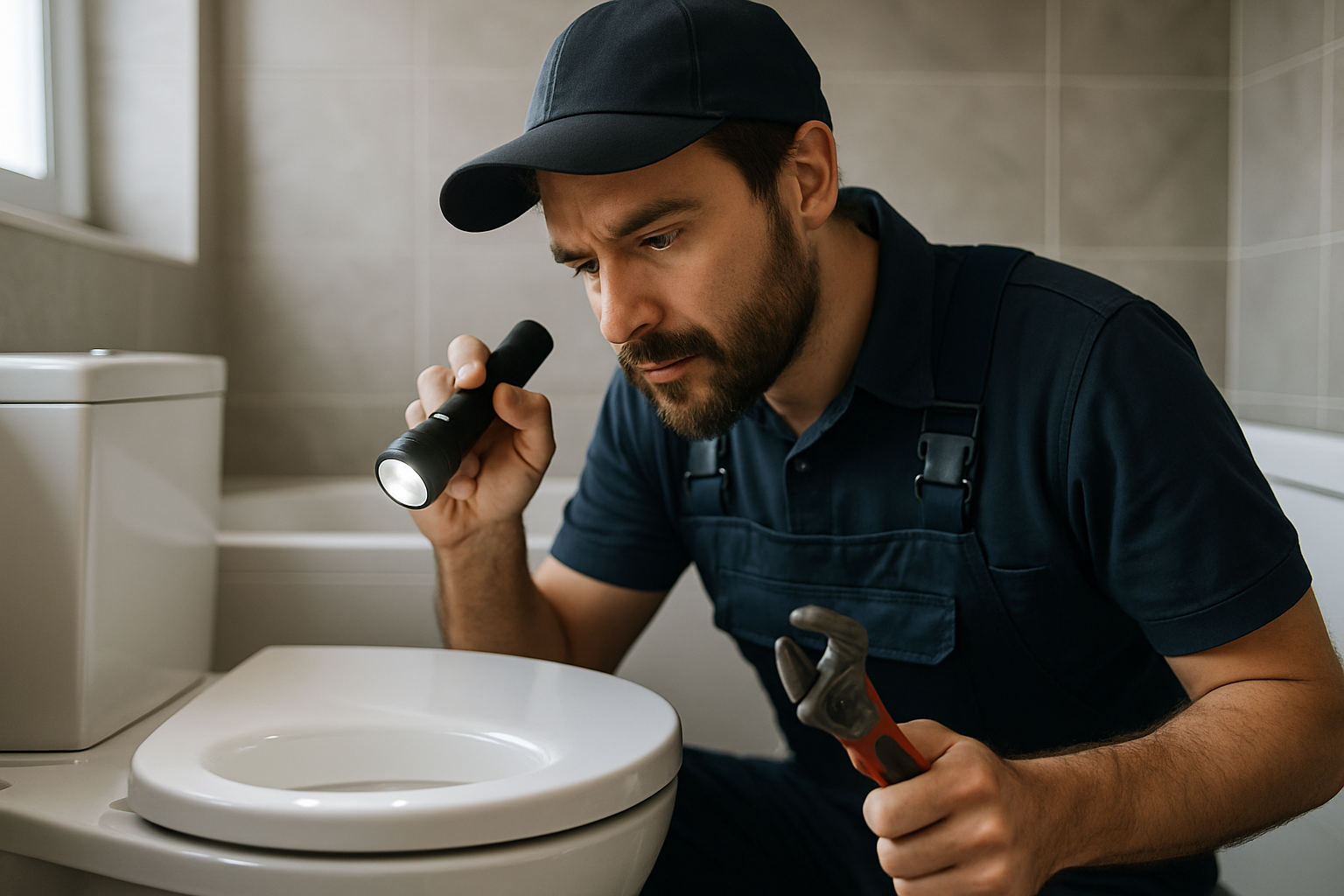
Tile Flooring Installation — We Improve For You
Troubleshooting Guide

Tile Flooring Installation Troubleshooting Guide — We Improve For You

Installing tile flooring in your Hamden, CT home can transform your bathroom into a stunning and functional space. However, even with the best intentions, issues can arise during installation that require troubleshooting. Whether you're dealing with cracked tiles, uneven surfaces, or grout problems, understanding these common challenges can help you address them effectively. At We Improve For You, we specialize in tile flooring installation and are committed to ensuring your project runs smoothly from start to finish. In this troubleshooting guide, we will explore the common symptoms of tile flooring issues, their possible causes, and how to resolve them, so you can enjoy your beautiful new floors without worry. Tile flooring installation requires precision and care; even minor missteps can lead to complications that affect both aesthetics and functionality. This guide is designed to empower homeowners in Hamden, CT, with the knowledge to troubleshoot their tile flooring issues. We’ll walk through the common symptoms you might encounter, offer DIY fixes, and when it’s time to call in the professionals. With the right information, maintaining the integrity of your tile flooring can be manageable, allowing you to focus on enjoying your beautifully remodeled bathroom.

By We Improve For You
8 min read
Expert-reviewed
Having an Emergency?
Don't wait — call us now for 24/7 emergency service in Hamden, CT.
(475) 472-9212
Symptoms & Causes

Identify the Problem

Match your symptoms to the most likely cause. Severity ratings help you decide how urgently to act.

Cracked tileshigh
Likely cause: Improper subfloor preparation, Use of low-quality tiles, Excessive weight on tiles
DIY check: Remove the cracked tile and replace it with a new one, ensuring the subfloor is level.
Uneven tile surfacemedium
Likely cause: Incorrect adhesive application, Poor subfloor leveling, Inconsistent tile thickness
DIY check: Check the subfloor for levelness and use leveling compound if necessary before reapplying tiles.
Grout haze on tileslow
Likely cause: Excess grout left on tile surface, Improper cleaning during installation, Using the wrong grout type
DIY check: Use a damp sponge or a grout haze remover to clean the surface of the tiles.
Loose tileshigh
Likely cause: Insufficient adhesive used, Moisture damage to the subfloor, Temperature fluctuations
DIY check: Remove the loose tile, clean the area, and reapply with fresh adhesive, ensuring proper bonding.
Gaps in grout linesmedium
Likely cause: Improper mixing of grout, Tiles shifted during curing, Insufficient grout application
DIY check: Re-grout the affected areas, making sure to pack the grout properly.
Discoloration of groutmedium
Likely cause: Moisture infiltration, Use of low-quality grout, Staining from cleaning products
DIY check: Clean the grout with a mixture of vinegar and water; if it persists, consider re-grouting.
What to Do Next

Step-by-Step Action Plan

Follow these steps before calling a technician — you may be able to resolve the issue yourself.

1

Identify the Problem

Carefully inspect your tiled floor for visible issues such as cracks, uneven tiles, or discoloration in grout.

2

Assess the Underlying Causes

Evaluate if the problems stem from the subfloor, adhesive used, or grout application methods.

3

Try DIY Fixes

Attempt the suggested DIY fixes based on the symptoms identified to see if they resolve the problem.

4

Monitor for Recurrence

After applying fixes, keep an eye on the areas for any signs of the problem returning.

5

Consult a Professional

If issues persist despite your best efforts, it may be time to call in the experts at We Improve For You.

Pro Tip
Always turn off power to the unit at the breaker before inspecting any components. Safety first — even for simple checks.
When to Call a Professional

Don't DIY These Situations

Some repairs require a licensed technician for safety, code compliance, and warranty protection.

Professional Assessment Required

If you encounter extensive cracking across multiple tiles, which may indicate deeper structural issues.

Professional Assessment Required

When the subfloor has significant moisture damage that requires replacement or major repairs.

Professional Assessment Required

If you have difficulty matching the tile or grout color for repairs, a professional can assist in finding the right match.

Professional Assessment Required

For large-scale leveling issues that could affect multiple areas of your flooring.

Professional Assessment Required

In the event of severe discoloration in grout that cannot be cleaned or resolved through DIY methods.

Common Questions
What causes tile cracking after installation?
Tile cracking can be caused by several factors, including improper installation techniques, inadequate adhesive application, or settling of the subfloor. If the subfloor wasn’t prepared correctly or if the tiles were laid on a surface that flexes, this can lead to cracks appearing over time. It’s crucial to ensure that the floor is level and stable before beginning the installation process.
How can I remove grout haze effectively?
To remove grout haze, you can use a damp sponge or a commercially available grout haze remover. It’s important to wait until the grout has cured for at least 24 hours before cleaning. Gently scrub the affected areas in circular motions and rinse the sponge frequently to avoid spreading the haze. If the haze persists, a mixture of vinegar and water may help, but test it on a small area first to ensure it doesn’t damage the tiles.
Is it normal for tiles to feel uneven?
No, tiles should be installed on a level surface to ensure a smooth finish. If you notice uneven tiles, this could be due to an improperly prepared subfloor or the adhesive not being applied evenly. It’s important to address this as soon as possible, as uneven tiles can lead to further complications, including cracks and loose tiles.
Can I fix loose tiles myself?
Yes, if you have some experience with DIY projects, you can fix loose tiles yourself. Start by removing the loose tile and cleaning the area. Apply fresh adhesive and press the tile back into place, ensuring it’s level with adjacent tiles. However, if multiple tiles are loose or the issue recurs, it’s best to consult a professional to investigate underlying problems.
Related Services

We Can Fix It For You

Our licensed team serves Hamden, CT and surrounding areas — same-day service available.

Problem Solved — Or Need a Pro?

Our licensed team serves Hamden, CT and surrounding areas. Get a free diagnosis — no obligation.